Specialized Cable Glands
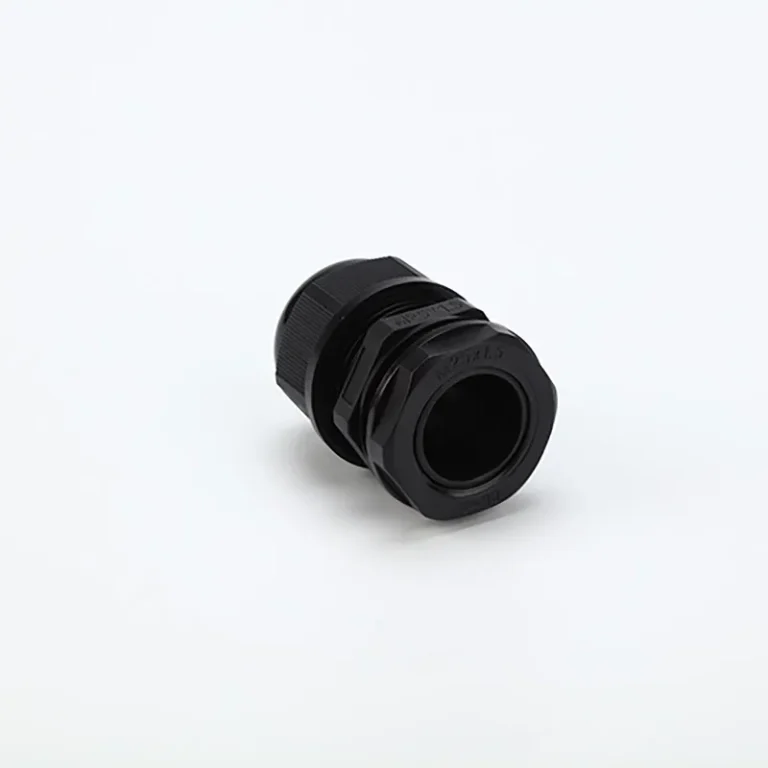
Choose a cable entry for the job: spiral strain relief for cables that bend at the enclosure, multi-hole or flat inserts for non-round and multiple cables, and venting options for pressure equalization. Compare cable shape, movement, enclosure environment and the required sealing performance before selecting a model.
Choose by Cable Entry Requirement
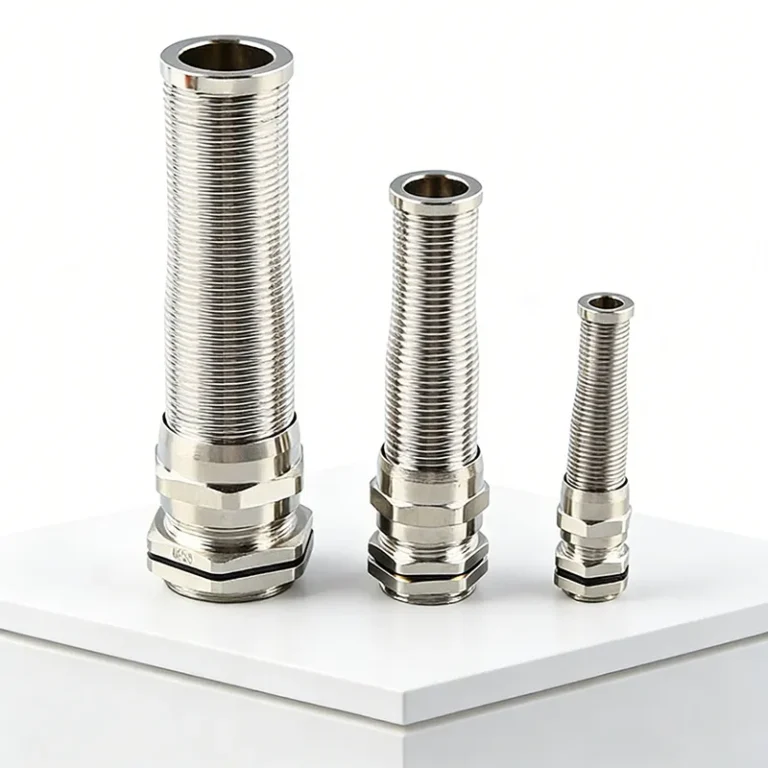
Spiral Strain Relief
A flexible tail supports cables where repeated bending or handling occurs. Check the cable diameter and movement at the exit.
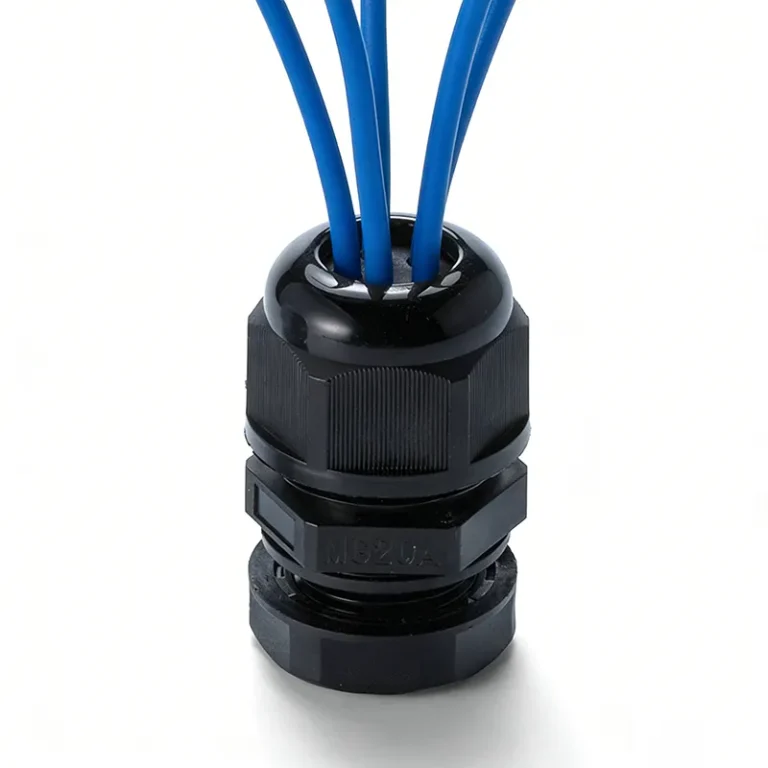
Multi-hole & Flat Hole
Use a matching insert for several round cables or one flat cable through an enclosure opening. Specify each cable dimension and hole layout.
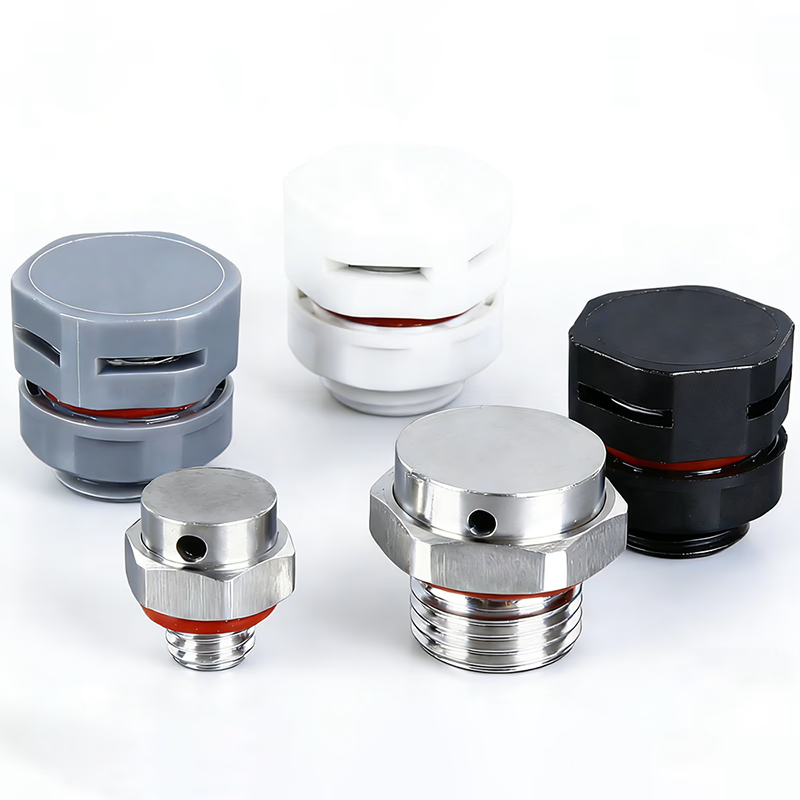
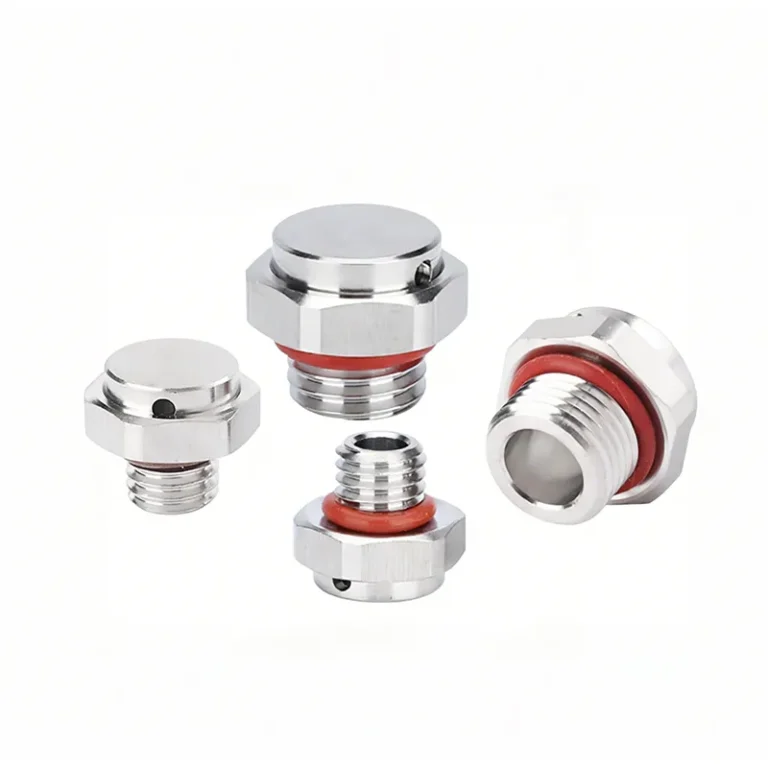
Venting & Breather
Membrane options help equalize pressure in enclosures exposed to temperature changes. Review airflow and water protection data for the selected model.
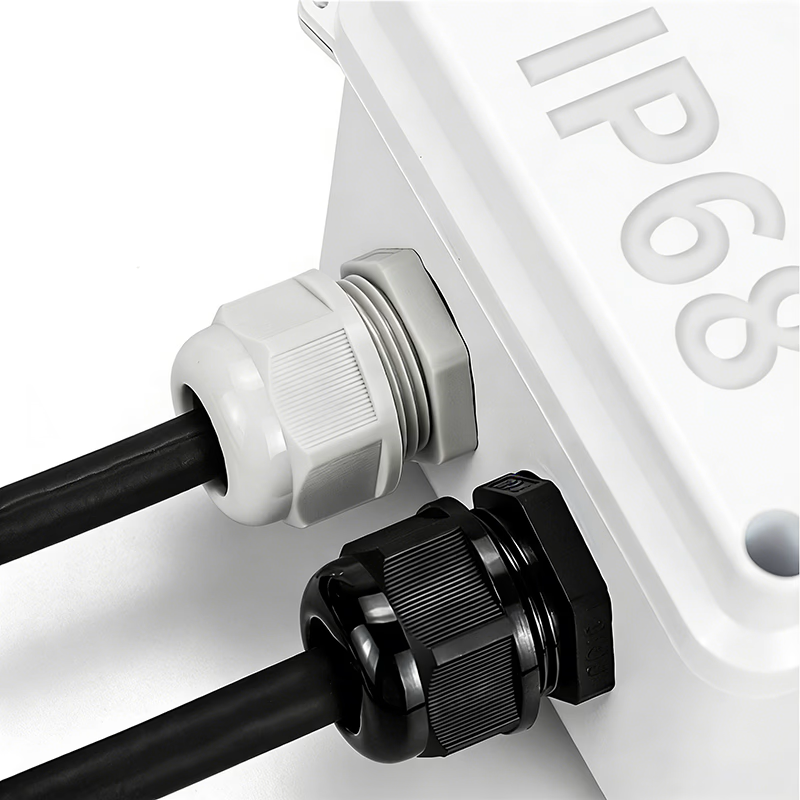
Heavy-duty Waterproof
For projects requiring a particular sealing level, select a tested gland and check the insert, cable range and installation conditions.
Need Help Selecting a Gland?
Send us your cable dimensions, thread or panel cutout, environment and quantity. We can check the suitable series, insert configuration and available documentation before preparing a quotation.
Typical Applications
For outdoor equipment, confirm the water protection rating of the selected gland together with cable diameter, panel thickness and installation method.
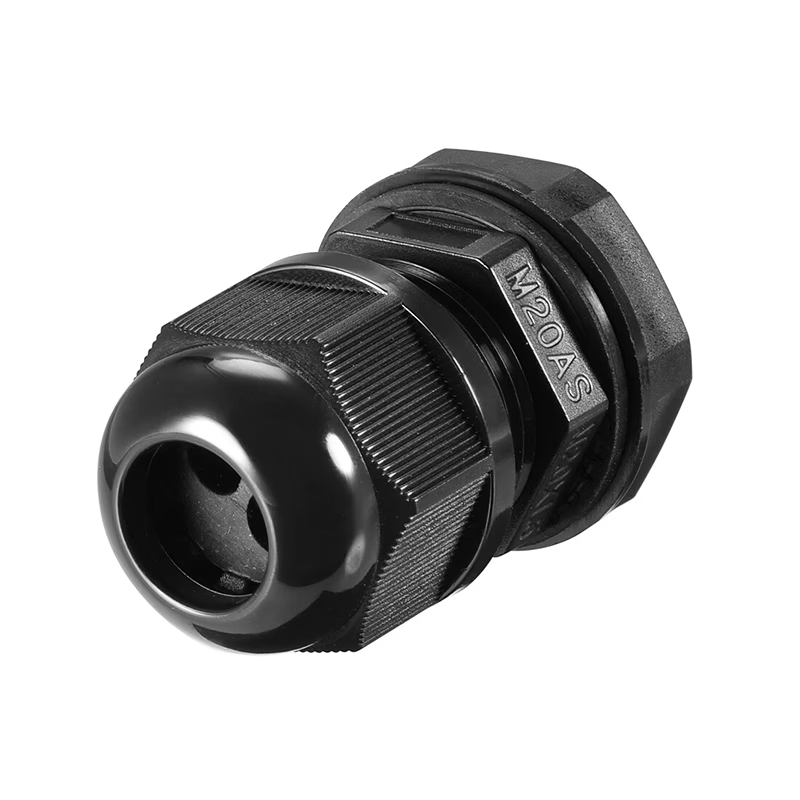
Multi-hole inserts route several round cables through one entry; flat inserts accommodate a matching flat cable profile. Dimensions of every cable are needed before selection.
Venting components allow pressure equalization as temperature changes. Check the membrane performance data and enclosure requirements for the intended environment.
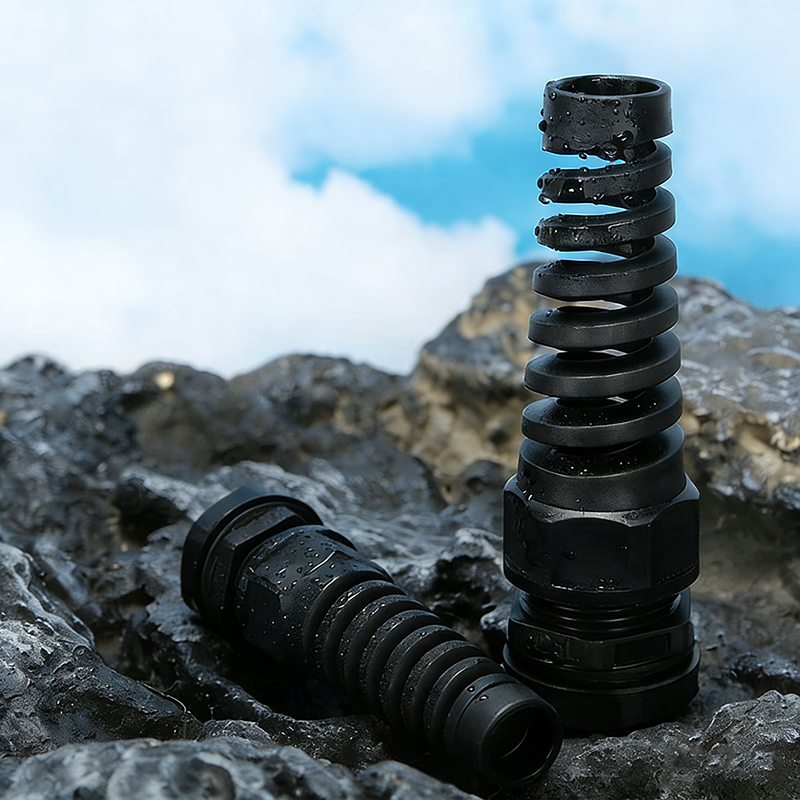
Spiral strain relief supports the cable near the enclosure where bending is expected. Match the gland to the cable diameter and expected movement.

Specialized Cable Gland FAQs
Send the number of cables, outside diameter of each cable, thread or panel opening, and desired material. For a flat cable, provide its width and thickness. The insert must match the actual cable dimensions.
Consider a venting model when an enclosure sees temperature swings and pressure changes. Confirm the membrane airflow, ingress protection and installation position against the selected product data. A vent does not replace the cable seal.
Choose a spiral tail when a cable bends close to the gland during operation or handling. Confirm the cable diameter and the expected motion; the gland cannot compensate for an unsuitable cable bend radius.
Provide the application, cable sizes and shapes, thread or cutout, material, quantity and required ingress protection. For custom multi-hole inserts, add a drawing or sample dimensions so we can check the fit before quoting.